Describe Three Alternatives to the Widespread Use of Pesticides
Sulfur a mineral-based biopesticide helps control powdery mildew rusts. Alternative insecticides for the yard and garden.
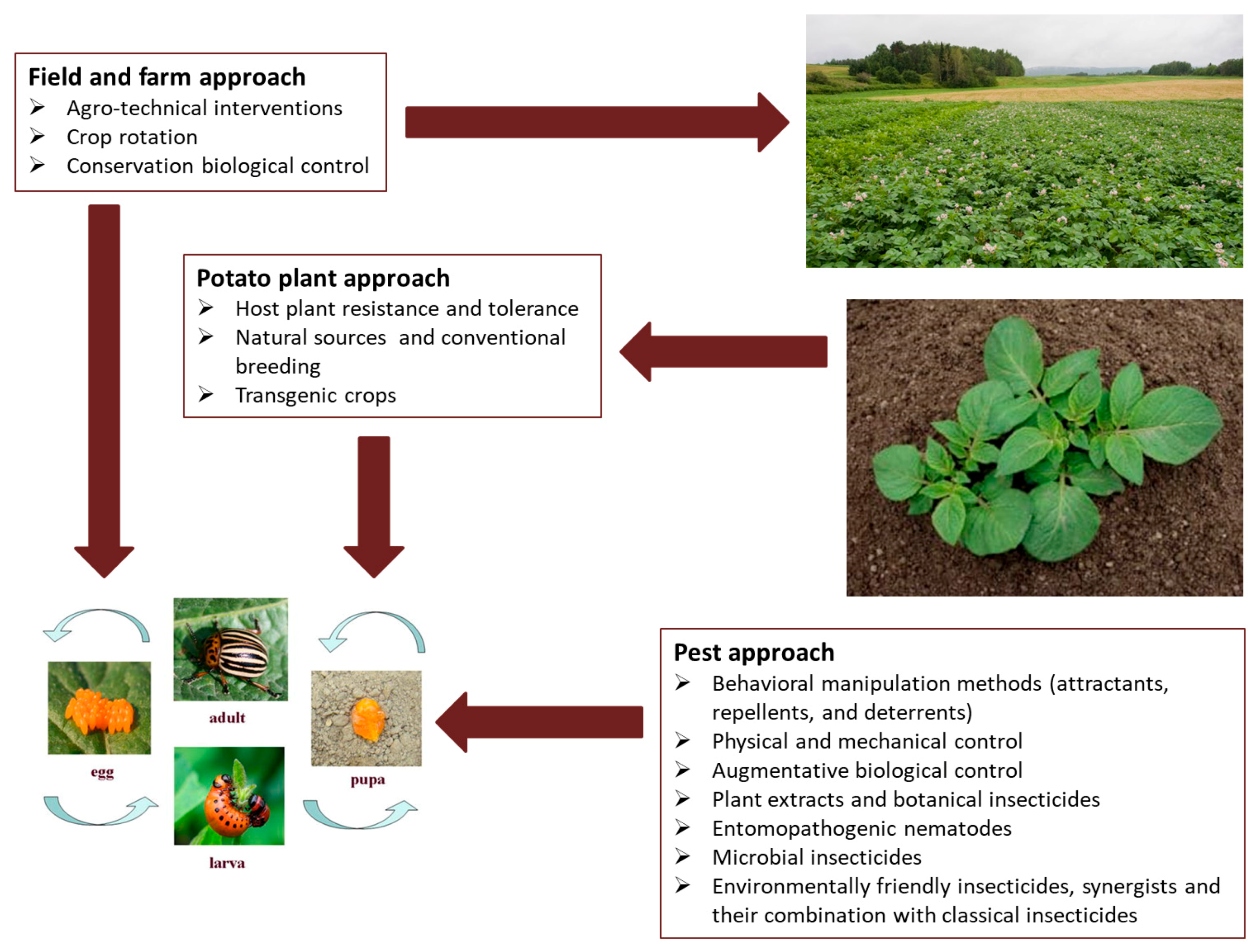
Agriculture Free Full Text Alternatives To Synthetic Insecticides In The Control Of The Colorado Potato Beetle Leptinotarsa Decemlineata Say And Their Environmental Benefits Html
Although antibacterial compounds such as streptomycin and oxytetracycline may be less problematic than the above-mentioned pesticides these antibiotics are currently licensed for use in crop.
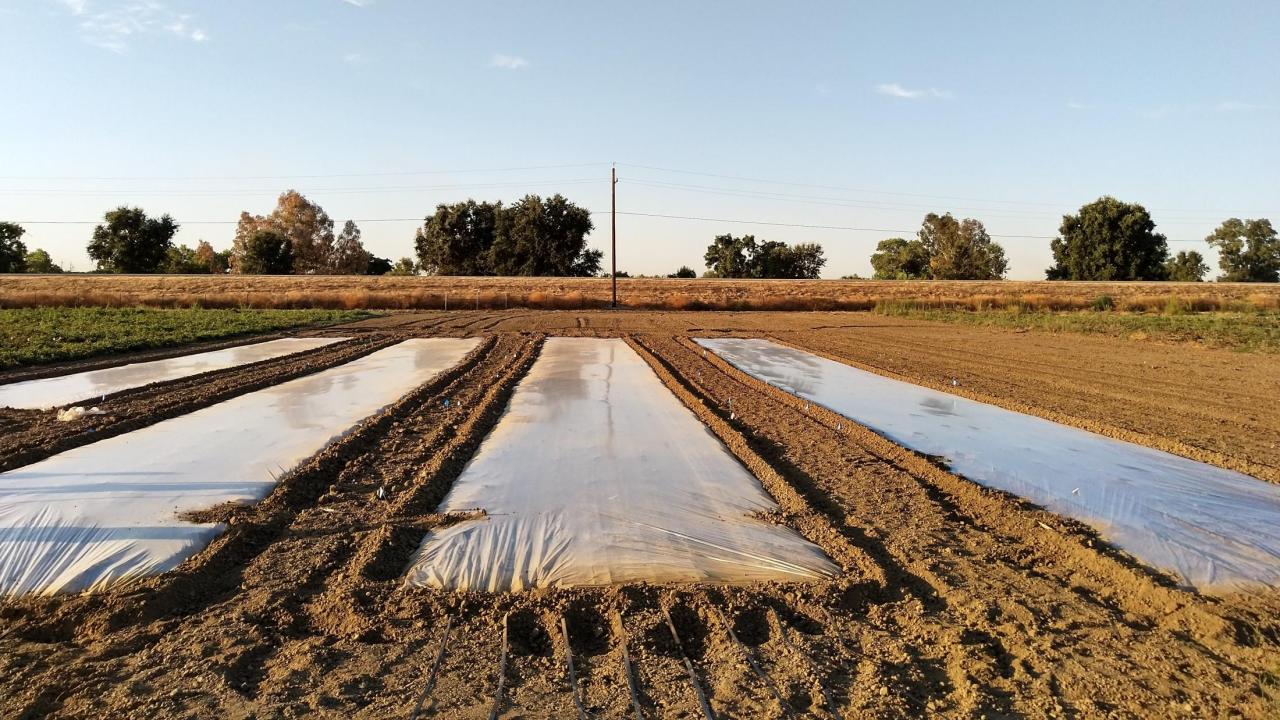
. Most of them are now banned in agriculture but their residues are still present. Due to the difficulty of actually identifying and quantifying these effects it is a good idea to limit exposure to pesticides of all kinds. Pesticides that are not approved - or registered - for use in the United States may be manufactured in the United States and exported.
A pesticide is any substance used to kill repel or control certain forms of plant or animal life that are considered to be pests. 1 stimulate widespread education on the hazards of toxic pesticides particularly as they relate to children and the availability of effective alternative pest management approaches. Pesticides are chemical substances that are meant to kill pests.
Prior to the discovery of DDT pyrethrins were among the major insecticides in use. Mix 1 cup vegetable oil with 1 tablespoon liquid soap such as castile soap To apply mix 2 teaspoons of oil and soap mix with 1 quart of water. Because pesticides are sprayed over large areas of land they have a widespread impact on the environment.
This is because pesticides are applied over large tracts of land and carried away by wind and water runoff. To avoid getting overexposed to pesticides the EPA recommends using a pest management strategy called integrated pest management or IPM. Mattes Kicking the Pesticide Habit AMICUS Journal Fall 1989 Volume 11 Number 4 p.
Like conventional pesticides organic pesticides can be quite toxic even if they are natural substances. Application of composted yard waste has also been used as a way of controlling pests. Avoid spraying during heat.
In general a pesticide is a chemical or a biological agent such as a virus bacterium antimicrobial or disinfectant that deters incapacitates kills pests. IPM combines non-chemical control strategies with less toxic pesticide to minimize the risk to human health and the environment. In California alone farmers use over ninety-three mil-lion pounds of pesticides and nearly five billion.
And 3 encourage the adoption of local. This use of pesticides is so common that the term pesticide is often treated as synonymous with plant protection product. The environmental effects of pesticides describe the broad series of consequences of using pesticides.
There are 3 main ways to limit exposure. But pyrethrins were extracted from natural sources primarily from flowers of the genus Chrysanthemum Pyrethrum supplies of which were limited and insufficient to meet the demands of wartime use. Although many stressors are implicated in bee population declines much attention has focused on neonicotinoid pesticides which are widely used and known to be toxic to pollinators.
Use of one of these control options will rarely solve all pest problems in all seasons. Pesticides that exhibit such behavior include the organochlorine DDT endosulfan endrin heptachlor lindane and their TPs. Baking soda mixed at the rate of 4 teaspoons per gallon of water is used as a foliar spray for black spot and mildews.
Following is a list of some of the alternative methods of pest control and their advantages. On the other hand the implementation of alternative cropping systems that are less dependent on pesticides the development of new pesticides with novel modes of action and improved safety profiles and the improvement of the already used pesticide formulations towards safer formulations eg microcapsule suspensions could reduce the adverse effects of. This process is called biological control and consists of using the pests natural enemies which can be other insects bacteria virus nematodes or fungi to control the pest population.
The increase in corn acreage led to an increase in pesticide use and change in the active ingredients used. Pesticides include herbicides for destroying weeds and other unwanted vegetation insecticides for controlling a wide variety of insects fungicides used to prevent the growth of molds and mildew. If you use pesticides choose less toxic products.
Research has shown for example that over 95 of herbicides and over 98 of insecticides do not reach the targeted pest. DDTs use as a pesticide proved to be a huge boon to war efforts. The unintended consequences of pesticides is one of the main drivers of the negative impact of modern industrial agriculture on the environmentPesticides because they are toxic chemicals meant to kill pest species can effect non-target species such as plants animals.
2 influence decision makers responsible for pest management to use alternative means of pest control. For example arsenic strychnine and nicotine are toxic natural compounds these are not used as pesticides. It was due to this shortage that.
Livestock feed expansion of ethanol production for fuel use has boosted corn acres in recent years. It houses activities and projects that. The change in active ingredients also reflects increased glyphosate use associated with the adoption of HT crops.
Ideally many of the options should be combined in a complete pest management system. Pesticides and TPs could be grouped intoa Hydrophobic persistent and bioaccumulable pesticides that are strongly bound to soil. Agriculture and benefit public health.
Shake and spray directly on affected plants. Use IPM alternatives to pesticides. Alternatives to pesticides are available and include methods of cultivation use of biological pest controls such as pheromones and microbial pesticides genetic engineering and methods of interfering with insect breeding.
FIFRA Section 17a requires that exporters of unregistered pesticides first obtain a statement signed by the foreign purchaser indicating the purchaser understands that such pesticide is not registered for use. Furthermore organic pesticides can pose problems for bees butterflies and other crop pollinators and beneficial insects. As a result many homeowners growers and researchers are seeking less hazardous alternatives to conventional synthetic pesticides.
Low doses of many pesticides are toxic to humans and other animals. One neonicotinoid acetamiprid has been studied very little in bumble bees despite its use on bumble bee-pollinated crops. For example you can use traps or baits instead of sprays to control pests.
JR Microbial pesticides and parasitic insects offer an environmentally-friendly alternative with the potential to alleviate huge economic losses to US. The pesticides used are fungicides twenty-three per-cent are insecticides and sixty-six percent are herbi-cides. Food water and the environment when not used properly.
2
Sustainable Alternatives To Pesticides Western Center For Agricultural Health And Safety
2
No comments for "Describe Three Alternatives to the Widespread Use of Pesticides"
Post a Comment